Complete Dropshipping Guide for Beginners 2024

Introduction to Dropshipping
Dropshipping has revolutionized the e-commerce industry, allowing entrepreneurs to start online businesses with minimal upfront investment. This comprehensive guide will walk you through everything you need to know about starting and scaling a successful dropshipping business in 2024.
Unlike traditional retail models where you need to purchase inventory upfront, dropshipping allows you to sell products without ever handling them physically. When a customer places an order in your store, you simply forward the order to your supplier, who then ships the product directly to the customer. This business model has enabled thousands of entrepreneurs to build profitable online businesses from the comfort of their homes.
Key Takeaway
Dropshipping eliminates the need for inventory management, warehousing, and significant upfront capital, making it one of the most accessible business models for aspiring entrepreneurs.
Understanding the Dropshipping Business Model
The dropshipping business model operates on a simple yet powerful principle. You act as the middleman between customers and suppliers. Your primary responsibilities include marketing your store, managing customer relationships, and processing orders. The supplier handles inventory storage, packaging, and shipping.
This model offers several distinct advantages. First, you can start with minimal capital since you don't need to purchase inventory upfront. Second, you have the flexibility to test different products and niches without financial risk. Third, you can operate your business from anywhere with an internet connection. However, it's important to understand that dropshipping also comes with challenges, including lower profit margins, less control over shipping times, and increased competition.

Step 1: Choosing Your Niche
Selecting the right niche is arguably the most critical decision you'll make in your dropshipping journey. A well-chosen niche can mean the difference between a thriving business and a struggling one. Your niche should align with market demand, have reasonable profit margins, and ideally match your interests or expertise.
When evaluating potential niches, consider these factors: market size and growth potential, competition level, profit margins, target audience demographics, and seasonal trends. Use tools like Google Trends, Amazon Best Sellers, and social media platforms to research trending products and emerging markets. Look for niches that have consistent demand throughout the year rather than seasonal spikes.
Some profitable niches in 2024 include health and wellness products, eco-friendly items, pet supplies, home office equipment, fitness gear, and tech accessories. However, don't just follow trends blindly. The best niche for you is one where you can add value, understand your customers' needs, and differentiate yourself from competitors.
Step 2: Finding Reliable Suppliers
Your suppliers are the backbone of your dropshipping business. A reliable supplier ensures product quality, timely shipping, and customer satisfaction. Poor supplier relationships can lead to negative reviews, returns, and ultimately, business failure.
Popular dropshipping platforms include AliExpress, Oberlo, Spocket, SaleHoo, and Wholesale2B. Each platform has its strengths and weaknesses. AliExpress offers a vast product selection but longer shipping times. Spocket focuses on US and EU suppliers for faster shipping. SaleHoo provides a vetted directory of suppliers with quality guarantees.
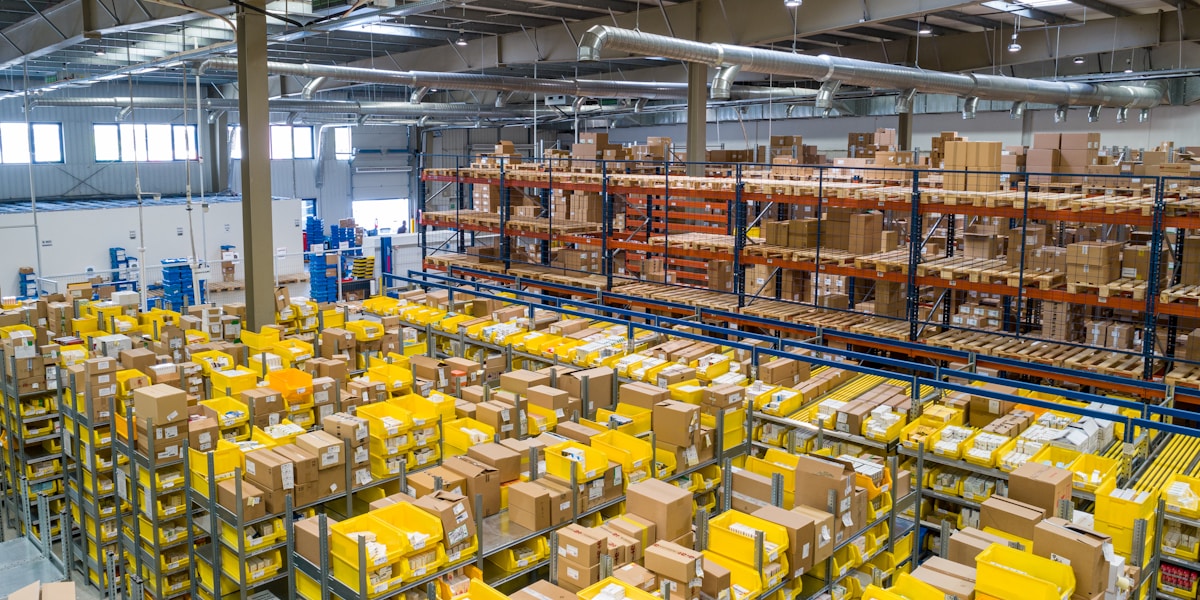
When vetting suppliers, order sample products to assess quality firsthand. Check supplier ratings and reviews from other dropshippers. Communicate with suppliers to gauge their responsiveness and professionalism. Verify their shipping times and policies. Establish clear agreements regarding returns, refunds, and quality standards.
Step 3: Setting Up Your Online Store
Your online store is your digital storefront, and first impressions matter. Shopify is the most popular platform for dropshipping due to its ease of use, extensive app ecosystem, and seamless integration with dropshipping suppliers. WooCommerce (WordPress) offers more customization but requires technical knowledge. BigCommerce and Wix are also viable alternatives.
When setting up your store, choose a professional theme that aligns with your brand. Ensure your site is mobile-responsive since over 70% of e-commerce traffic comes from mobile devices. Create compelling product descriptions that highlight benefits, not just features. Use high-quality product images and videos. Implement trust signals like customer reviews, security badges, and clear return policies.
Your store should have essential pages including Home, Shop/Products, About Us, Contact, FAQ, Shipping Policy, Return Policy, and Privacy Policy. Make navigation intuitive and checkout process streamlined. Reduce friction points that might cause cart abandonment.
Step 4: Pricing Strategy and Profit Margins
Pricing is both an art and a science in dropshipping. You need to balance competitiveness with profitability. A common mistake beginners make is pricing too low, leaving no room for marketing costs and profit. Conversely, pricing too high can make you uncompetitive.

A typical dropshipping pricing formula includes: Product Cost + Shipping Cost + Marketing Cost + Transaction Fees + Desired Profit = Selling Price. Aim for a minimum 30-40% profit margin to account for all expenses and still make a profit. Some products can command higher margins, especially if you're selling unique or branded items.
Consider psychological pricing strategies like charm pricing ($19.99 instead of $20), bundle pricing, and tiered pricing. Test different price points to find the sweet spot where you maximize both conversion rate and profit per sale. Use our profit calculator tool to quickly calculate your margins and ensure profitability.
Step 5: Marketing Your Dropshipping Store
Building a store is just the beginning. Without traffic, you won't make sales. Marketing is where most dropshippers either succeed or fail. You need a multi-channel marketing strategy that includes paid advertising, organic traffic, and social media.
Facebook and Instagram ads are the most popular paid advertising channels for dropshipping. They offer sophisticated targeting options, allowing you to reach your ideal customers based on demographics, interests, and behaviors. Start with a modest budget ($10-20 per day) and test different ad creatives, audiences, and products. Scale what works and cut what doesn't.
Google Ads can be effective for high-intent searches. When someone searches for "buy wireless headphones," they're ready to purchase. Google Shopping ads showcase your products directly in search results. However, Google Ads typically require higher budgets and more expertise than social media advertising.

Don't neglect organic marketing strategies. SEO can drive free, long-term traffic to your store. Create valuable content like blog posts, buying guides, and product comparisons. Build backlinks through guest posting and partnerships. Optimize your product pages for relevant keywords.
Email marketing remains one of the highest ROI channels. Build your email list from day one using pop-ups, lead magnets, and exit-intent offers. Send welcome sequences, abandoned cart emails, and promotional campaigns. Segment your list based on customer behavior for personalized messaging.
Step 6: Customer Service Excellence
In dropshipping, you don't control the product or shipping, but you do control the customer experience. Exceptional customer service can turn one-time buyers into loyal customers and brand advocates. Poor customer service will result in negative reviews and chargebacks.
Respond to customer inquiries promptly, ideally within 24 hours. Be transparent about shipping times and set realistic expectations. Provide tracking information as soon as orders ship. Handle complaints professionally and offer solutions, not excuses. Sometimes offering a partial refund or discount on future purchases can turn a negative situation into a positive one.
Implement a clear return and refund policy. While returns can be challenging in dropshipping, having a fair policy builds trust. Consider offering free returns for defective products. Use customer feedback to improve your product selection and supplier relationships.
Step 7: Analyzing and Optimizing Performance
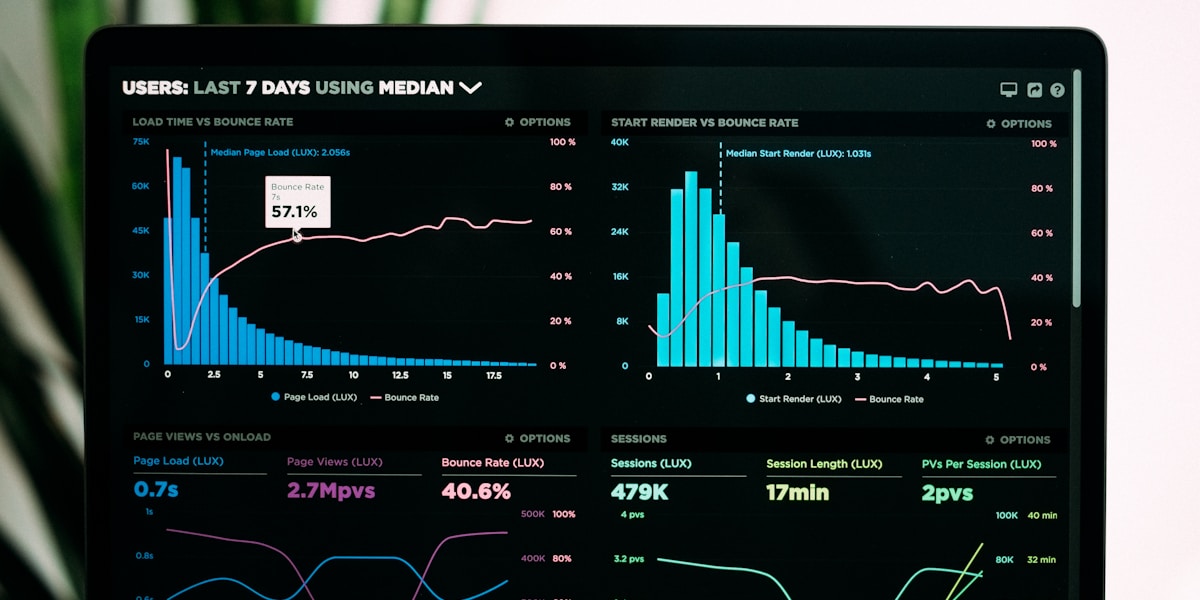
Data-driven decision making separates successful dropshippers from those who struggle. Track key metrics including conversion rate, average order value, customer acquisition cost, lifetime value, and return on ad spend. Use Google Analytics, Facebook Pixel, and your e-commerce platform's built-in analytics.
Regularly analyze which products are selling well and which aren't. Double down on winners and eliminate losers. Test different product images, descriptions, and prices. Implement A/B testing for your landing pages and checkout process. Small improvements in conversion rate can significantly impact your bottom line.
Common Mistakes to Avoid
Learning from others' mistakes can save you time and money. Here are common pitfalls to avoid: choosing oversaturated niches with intense competition, working with unreliable suppliers, neglecting customer service, underpricing products, ignoring mobile optimization, not testing products before selling, poor quality product images, complicated checkout process, and giving up too soon.
Dropshipping is not a get-rich-quick scheme. It requires hard work, persistence, and continuous learning. Many successful dropshippers failed multiple times before finding their winning formula. Stay patient, keep testing, and don't be afraid to pivot when something isn't working.
Scaling Your Dropshipping Business
Once you've found a profitable product and proven your business model, it's time to scale. Scaling means increasing your revenue while maintaining or improving profitability. This involves increasing your advertising budget, expanding to new marketing channels, adding complementary products, and potentially hiring team members.
When scaling ad campaigns, increase budgets gradually (10-20% every few days) to avoid disrupting the algorithm. Expand to new audiences and platforms. Consider influencer partnerships and affiliate marketing. Automate repetitive tasks using tools and virtual assistants. Focus your time on high-value activities like strategy and optimization.
As you grow, consider building your own brand. Private labeling products, creating custom packaging, and building a unique brand identity can help you stand out and command higher prices. Some successful dropshippers eventually transition to holding inventory for their best-selling products to improve margins and shipping times.
Conclusion
Dropshipping offers an accessible entry point into e-commerce entrepreneurship. While it's not without challenges, the low barrier to entry and potential for scalability make it an attractive business model. Success in dropshipping requires choosing the right niche, finding reliable suppliers, creating a professional store, implementing effective marketing strategies, and providing excellent customer service.
Remember that building a successful dropshipping business takes time. Focus on providing value to your customers, continuously test and optimize, and stay persistent through the inevitable challenges. Use the tools and calculators on our site to help you make data-driven decisions and maximize your profitability.
Start small, learn from your mistakes, and scale what works. With dedication and the right strategies, you can build a profitable dropshipping business that provides financial freedom and flexibility. The journey begins with taking that first step – so what are you waiting for?